Beyond the Mirror: How to Build Real Confidence Before You Walk Down the Aisle

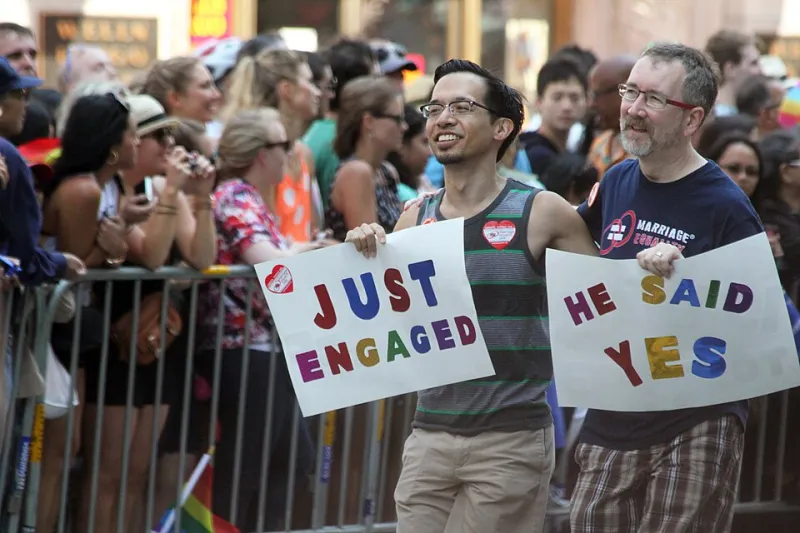
Photo: Otter, CC BY-SA 4.0, via Wikimedia Commons
There is a particular kind of pressure that settles over a bride in the months before her wedding. It arrives quietly at first—a lingering glance in the fitting room mirror, a hesitation before posting an engagement photo, a whispered thought that asks: Am I enough for this moment? For all the joy that surrounds an engagement, the emotional weight of preparing to be seen, celebrated, and scrutinized by everyone you love can be quietly overwhelming.
This is not a conversation the bridal industry tends to have loudly. The imagery is almost always radiant. The narrative is almost always triumphant. But the truth, shared by brides across the country, is that the path to the altar is frequently paved with self-doubt—and acknowledging that reality is the very first step toward genuine confidence.
The Emotional Landscape Nobody Warned You About
Wedding planning is often framed as a logistical exercise: book the venue, select the flowers, find the dress. Yet for a significant number of brides, the deeper challenge is not organizational—it is psychological. Therapists who work with engaged women describe a recognizable cluster of concerns that surface during this period: perfectionism, body image anxiety, imposter syndrome, and the fear of not living up to an idealized version of themselves.
"The wedding becomes a mirror," explains one licensed clinical social worker who specializes in life transitions. "Brides are suddenly confronted with questions about identity, worthiness, and how they want to be perceived—sometimes for the first time in years. That can be genuinely destabilizing, even when everything in their lives is going beautifully."
Recognizing these feelings as normal—rather than as evidence that something is wrong with you—is not a small thing. It is, in fact, the foundation upon which real confidence is built.
When Perfectionism Becomes the Enemy
Perfectionism is perhaps the most widespread confidence thief in bridal culture. When every detail of your wedding is subject to Pinterest boards, vendor reviews, and the opinions of well-meaning relatives, the pressure to orchestrate a flawless event can quietly transfer inward. Brides begin to hold themselves to the same impossible standard they apply to centerpiece arrangements.
Bridal stylists frequently witness this dynamic in the fitting room. "I've worked with brides who are genuinely beautiful and completely unable to see it," shares one stylist based in New York with over a decade of experience. "They're so focused on what they wish were different about themselves that they can't absorb what is actually right in front of them."
One practical strategy: consciously separate your identity from your wedding's outcomes. Your event may have imperfections. You, as a person, are not a project to be perfected. Journaling, therapy, and even candid conversations with your partner can help reinforce this distinction before the pressure peaks.
Body Image and the Bridal Fitting Room
For many brides, the dress shopping experience is the moment body image concerns crystallize most sharply. Bridal gowns are traditionally constructed on a narrow range of sample sizes, and the experience of being measured, pinned, and assessed can feel exposing in ways that ordinary shopping rarely does.
If this resonates with you, know that you are in extraordinarily good company. Brides of every size, shape, and background report feeling inadequate in the fitting room at some point. What helps, according to both stylists and therapists, is reframing the purpose of the experience entirely.
Your gown is not a verdict on your body. It is a garment that will be tailored to fit you—not the other way around. Seeking out boutiques that carry a wide range of sample sizes, bringing a support person whose opinion you genuinely trust, and communicating openly with your stylist about what makes you feel comfortable can transform the fitting room from an anxiety-inducing space into an empowering one.
Additionally, consider limiting social media consumption during the dress selection process. Algorithmic feeds have a way of surfacing idealized images precisely when you are most vulnerable to comparison.
Imposter Syndrome at the Altar
Imposter syndrome—the persistent, irrational belief that you do not deserve the good things happening in your life—is not limited to the boardroom. Brides experience it too. It can manifest as a nagging sense that you are not interesting enough, attractive enough, or somehow not the type of person who gets to have a beautiful wedding.
This feeling is a lie, but it is a convincing one. Addressing it requires active, intentional work. Therapists recommend a practice sometimes called "evidence gathering": when the imposter voice speaks up, counter it not with affirmations alone, but with specific, concrete reminders of who you are and what you have built. The relationship you are celebrating. The people who will stand in that room because they love you. The version of yourself who showed up, even on the hard days.
One bride from Chicago described her approach this way: "I started writing down one thing every morning that I genuinely liked about myself—not about the wedding, just about me. By the time the wedding came, I had a whole notebook. Reading it the night before was the best thing I could have done."
Building a Support System That Serves You
Confidence is rarely constructed in isolation. The people you surround yourself with during the engagement period have a profound effect on how you feel about yourself as the wedding approaches. Be intentional about this.
That means communicating clearly with your bridal party about the kind of support you need—not just logistical help, but emotional presence. It means giving yourself permission to limit conversations that spiral into comparison or criticism. And it means considering professional support if the anxiety feels persistent or disproportionate. There is no shame in working with a therapist during an engagement; in fact, many couples find that the pre-wedding period is one of the most productive times to invest in their emotional health.
Practicing Presence Before the Big Day
Ultimately, confidence on your wedding day is less about how you look and more about how fully you are able to inhabit the moment. Mindfulness practices—breathing exercises, body scans, even a brief morning meditation—can help quiet the internal critic and return your attention to what is actually happening around you.
In the days immediately before the wedding, resist the urge to troubleshoot hypothetical problems. Instead, create space for gratitude and presence. Take a walk. Call a friend who makes you laugh. Sleep. Eat well. Treat your body with the same care you have extended to every other element of this day.
When you reach the threshold of that aisle, the flowers will be arranged, the music will begin, and the people who love you will turn to look. What they will see is not a finished product. They will see you—imperfect, irreplaceable, and entirely worthy of every beautiful thing about this day.
That is worth believing before you take the first step.