Passport, Vows, and the Perfect Gown: Navigating Destination Wedding Dress Challenges
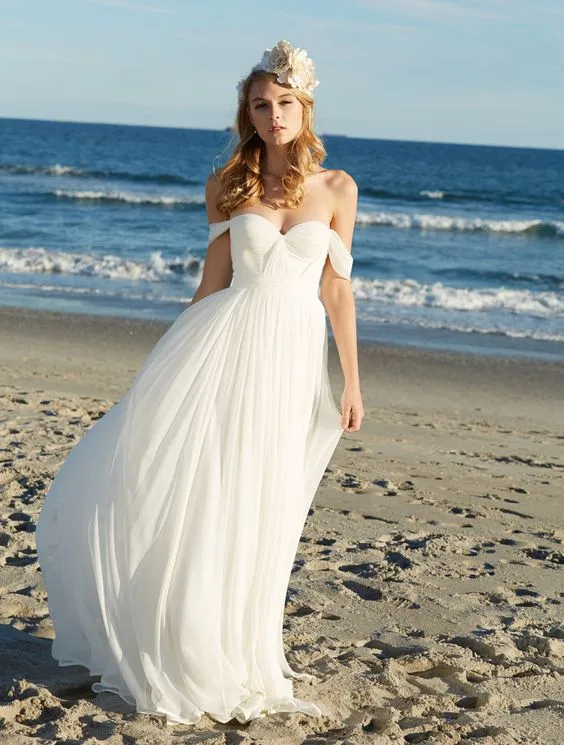
Photo: bride in lightweight chiffon gown on tropical beach destination wedding, via i.weddingomania.com
There is a particular magic to marrying somewhere extraordinary—a cliffside in the Amalfi Coast, a white-sand beach in the Maldives, a vineyard in Tuscany, or a colonial courtyard in Mexico. Destination weddings have grown steadily in popularity among American brides, and it is easy to understand why. The backdrop alone becomes part of the story.
Yet the destination bride faces a set of fashion challenges that her stateside counterpart simply does not. A gown that photographs magnificently in a bridal boutique in Chicago or Nashville must survive a transatlantic flight, navigate customs, withstand tropical humidity, and perform flawlessly against a backdrop of sand, sea, or cobblestone. Getting this right requires planning that begins long before the packing starts.
Choose Your Gown With the Climate in Mind
The single most important styling decision a destination bride will make is selecting a gown that is genuinely suited to her wedding environment. This sounds obvious, yet many brides fall in love with a dress before fully considering where they will be wearing it—and the results can range from mildly uncomfortable to genuinely problematic.
For beach and tropical ceremonies, lightweight and breathable fabrics are essential. Chiffon, charmeuse, organza, and soft tulle allow air circulation and move gracefully in coastal breezes. They also photograph beautifully against open-sky backdrops. Heavy duchess satin, structured mikado, and thick lace—fabrics that look stunning in a formal ballroom—can become stifling in heat and humidity, and may retain moisture in ways that affect both comfort and appearance.
For European garden or vineyard weddings, where temperatures may be more moderate, you have considerably more freedom. Lace, crepe, and silk blends work well in temperate climates and offer an elegance that suits Old World settings. For colder destination weddings—a Norwegian fjord ceremony or a winter wedding in the Swiss Alps—consider gowns designed to layer gracefully with bridal capes, wraps, or tailored cover-ups.
When you visit bridal boutiques, bring photographs of your venue and describe the climate explicitly. A skilled consultant will help you identify silhouettes and fabrics aligned with your setting rather than just your aesthetic preferences.
Transporting Your Gown: The Logistics Every Destination Bride Must Know
Getting your wedding gown from your hometown to your destination in pristine condition is one of the most logistically complex aspects of destination bridal planning. There are two primary approaches, each with distinct advantages.
Carrying the gown onto the plane is generally the safest option and the one most bridal stylists recommend. Most major U.S. airlines will allow a wedding gown as a carry-on item, and many will permit you to hang it in a first-class closet upon request—though this is never guaranteed and should be confirmed in advance with your specific carrier. Use a high-quality garment bag designed for travel, and if possible, book a seat near a closet or overhead compartment large enough to accommodate the bag flat or folded with minimal creasing.
If your gown is simply too voluminous to carry on—a cathedral-length ball gown, for instance—shipping it via an insured courier service such as FedEx or UPS is a viable alternative. Ship the gown well in advance, track it carefully, and confirm delivery before you depart. Crucially, ensure the gown is fully insured for its replacement value during transit.
Never check your wedding gown as standard luggage. The risk of loss, damage, or delayed baggage is too significant to accept with something this irreplaceable.
Understand International Customs and Import Considerations
This is a detail many destination brides overlook until it becomes a problem. Some countries impose customs duties on high-value items brought across their borders—including luxury clothing. In certain destinations, a couture wedding gown could technically be subject to import fees if declared at full value.
Before you travel, research the customs regulations of your destination country. In many cases, wearing the gown or presenting documentation that it will be leaving the country with you (rather than being sold or left behind) resolves the issue. Carry your purchase receipt, and if you are traveling with a gown valued above the duty-free threshold, consult with a customs attorney or your destination wedding planner about the most appropriate way to handle the declaration.
Plan for Alterations—and Know Your Options Abroad
Your gown should be fully completed and fitted before you leave the United States. Do not plan on making meaningful alterations at your destination. Finding a skilled bridal seamstress abroad on short notice is unreliable at best, and quality and communication can be difficult to guarantee.
That said, minor emergency alterations—a loose bustle, a small tear, a missing hook—are a realistic possibility at any wedding. Research whether your hotel, resort, or local wedding planner has a seamstress contact they trust. Pack a small bridal emergency kit that includes a needle and thread in your gown's color, clear fashion tape, safety pins, and a small pair of scissors. These items have rescued more than a few destination brides from potential disasters.
If your wedding is in a resort destination with a dedicated wedding coordinator, ask directly whether they have on-site or on-call tailoring services. Many luxury properties do.
Style Solutions for Humidity, Sand, and Salt Air
The environmental conditions of destination weddings—particularly beach ceremonies—introduce styling challenges beyond the gown itself. Humidity causes certain fabrics to wilt, hair to expand unpredictably, and makeup to slide. Salt air affects hair texture and can dull certain finishes.
For your gown, avoid heavily structured silhouettes that rely on internal boning and stiffening to maintain their shape in dry conditions. Softer, more fluid silhouettes are more forgiving in humidity. If you are marrying on sand, consider a shorter hem—tea length, midi, or even a stylish high-low cut—to protect the gown from ground-level moisture, debris, and the inevitable beach breeze.
For hair and makeup, work with your destination's professional vendors wherever possible. A local makeup artist who works regularly in that climate will know exactly which primers, setting sprays, and waterproof formulas perform best in those conditions. If you are bringing your own beauty team from the U.S., brief them thoroughly on the environment they will be working in.
The Case for a Second Dress
The destination wedding is one scenario where a backup dress—or a deliberate reception dress—makes particular practical sense. A lightweight reception gown or a chic bridal separates look allows you to transition from ceremony to celebration with ease, protecting your primary gown from the wear of dancing, dining, and a long evening in an outdoor setting.
A secondary dress also provides peace of mind. If anything were to happen to your main gown during transit or at the venue, having an alternative ensures you are never without options. Some destination brides even choose their second look as the ceremony dress—something simpler and more relaxed—and reserve a more elaborate gown for a formal portrait session or welcome dinner.
The Destination Bride's Final Word
A destination wedding is one of the most personal and adventurous ways to begin a marriage, and your gown should be chosen and prepared with the same intentionality that goes into every other element of the experience. When fabric, logistics, and styling are all considered in the context of where you are going—not just what you love in the boutique—you arrive at your ceremony exactly as you envisioned: poised, comfortable, and utterly radiant against the most spectacular backdrop you could have chosen.