To Veil or Not to Veil: How Today's Brides Are Owning This Deeply Personal Choice

Photo by Photo by Fotógrafo Samuel Cruz on Unsplash on Unsplash
For centuries, the bridal veil has occupied a singular place in wedding iconography. It has draped the faces of queens, graced cathedral aisles, and appeared in countless photographs that now live in family albums across America. Yet today, the veil sits at a fascinating cultural crossroads. Some brides are reclaiming it as a bold, intentional statement of femininity and tradition. Others are setting it aside entirely in favor of floral crowns, hair jewels, or nothing at all. Neither camp is wrong—and that, perhaps, is precisely the point.
If you are currently staring down this decision and feeling more confused than empowered, you are in good company. The veil dilemma is real, and it deserves a thoughtful conversation.
A Brief History Worth Knowing
Understanding where the veil comes from can help you decide what it means—or does not mean—to you. The tradition spans multiple cultures and millennia, with roots in ancient Rome, where brides wore flame-colored veils thought to ward off evil spirits. In many Christian and Catholic ceremonies, the veil has long symbolized purity and the sacred nature of the marital covenant. Jewish brides participate in the badeken ceremony, in which the groom veils his bride before the ceremony as a gesture of protection and devotion.
In contemporary American weddings, however, the veil's symbolism has largely been decoupled from its religious origins. For many brides today, it is less about doctrine and more about aesthetic—a piece of bridal vocabulary that communicates something personal about who they are and how they want to feel on their wedding day.
Why Some Brides Are Saying a Resounding Yes
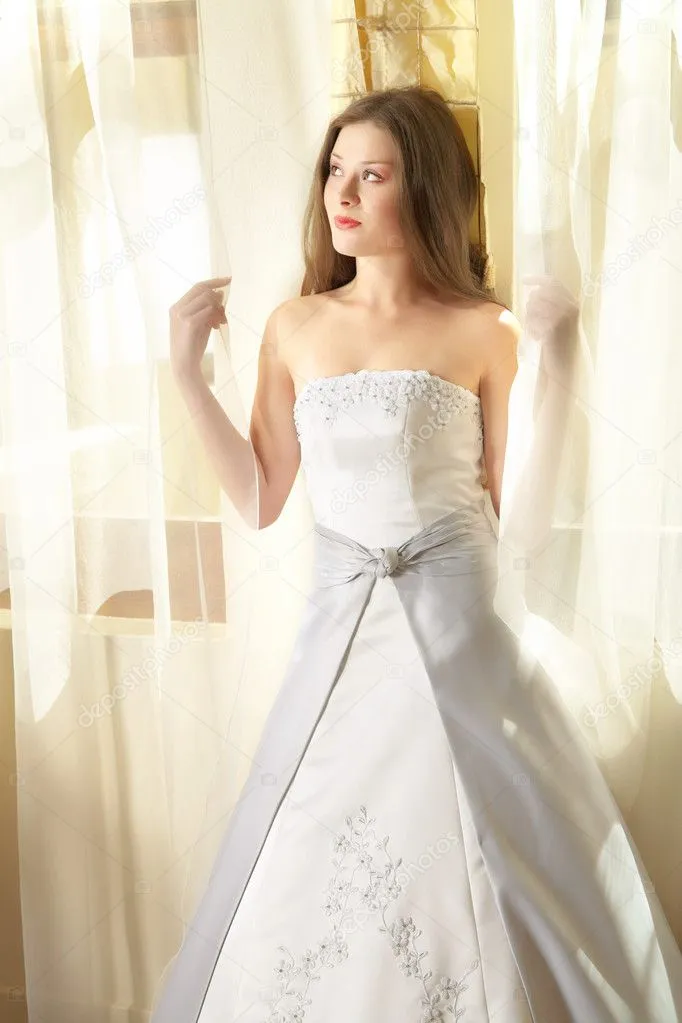
Among brides who choose to wear a veil, the reasons are as varied as the styles themselves. Many describe an almost visceral emotional response when they first tried one on during bridal appointments—a feeling that something clicked into place. There is something undeniably transformative about a length of tulle that frames the face and trails behind you; it signals, without a single word, that today is unlike any other day.
For brides planning formal or black-tie affairs, a veil can serve as an elegant architectural element that elevates the entire look. A cathedral-length veil in a grand venue, for instance, creates a visual drama that no accessory can quite replicate. Similarly, brides who have invested in gowns with intricate back detailing—lace appliqués, low-cut silhouettes, or elaborate button closures—often find that a veil draws the eye to those very features during the processional.
Beyond aesthetics, some brides cite the ritual itself as meaningful. The act of lifting or removing the veil at a specific moment during the ceremony—whether by a parent, partner, or the bride herself—can serve as a powerful punctuation mark in the day's emotional arc.
Why Others Are Confidently Walking Away From It
Just as valid is the growing cohort of brides who find that a veil simply does not resonate with their vision. For some, the discomfort is practical: veils can snag on earrings, catch in the wind, or require a dedicated person to manage them throughout the reception. For a bride who values freedom of movement and ease, those concerns are entirely legitimate.
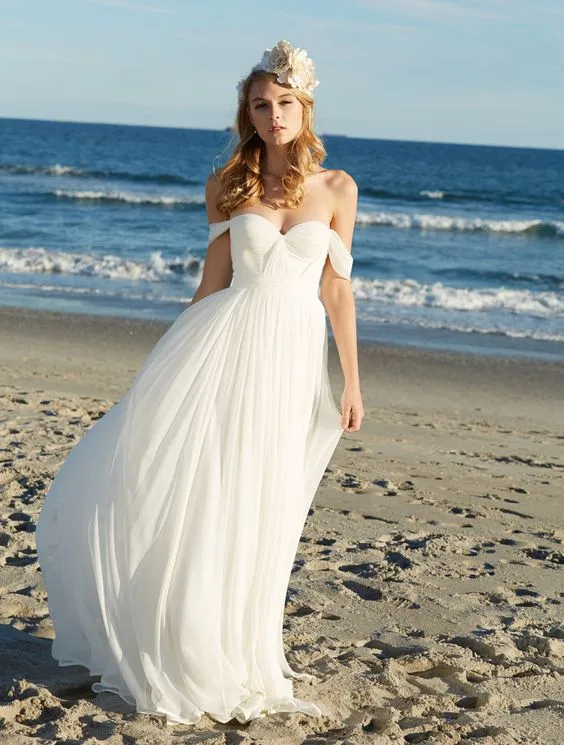
Others find that a veil competes with rather than complements their chosen aesthetic. A bride in a sleek, minimalist crepe gown may feel that a voluminous tulle veil undermines the clean lines she has carefully curated. Bohemian brides, garden-party brides, and elopement brides often find that alternative accessories—think dried floral crowns, delicate hair vines, or simple ribbon ties—speak more authentically to their personal style.
There is also a growing sentiment among modern brides that the veil carries connotations they would prefer not to invoke. The historical association with concepts of ownership and modesty does not sit comfortably with every woman, and choosing to forgo the veil can be its own quiet statement of self-determination.
Navigating the Veil Styles: A Practical Overview
If you are leaning toward wearing a veil, the sheer variety of options can feel overwhelming. Here is a concise guide to the most common lengths and their ideal pairings:
- Blusher: A short, face-covering layer typically worn at the ceremony and lifted during the vow exchange. Deeply traditional and romantic, it pairs beautifully with full ballgown silhouettes.
- Elbow Length: Falling just past the waist, this versatile option works across formality levels and suits A-line and mermaid gowns particularly well.
- Fingertip Length: One of the most popular choices in American bridal boutiques, this length grazes the fingertips and complements nearly every silhouette without overwhelming it.
- Chapel Length: Extending several feet behind the bride, this style suits formal venues and adds significant drama without the full commitment of a cathedral veil.
- Cathedral Length: The most formal option, trailing six feet or more. Reserved for grand ceremonies and brides who want maximum visual impact.
Edge treatments also matter. Raw-edge veils feel modern and effortless; pencil-edge veils offer a subtle, polished finish; lace-trimmed veils add texture and can be coordinated with lace detailing on the gown itself.
Practical Considerations Before You Decide
Beyond personal preference and aesthetics, a few concrete factors should inform your decision.
Your Venue: A sweeping cathedral veil is breathtaking in a historic church or grand ballroom but may feel disproportionate in a rustic barn or intimate garden setting. Consider the scale of your space.
Your Hair Plan: Some hairstyles—particularly loose, flowing waves or elaborate updos with significant volume—can make veil attachment logistically challenging. Discuss this directly with your hair stylist before making a final commitment.
Your Ceremony Structure: If your ceremony involves a lot of movement—processionals, recessionals, kneeling, or dancing at a reception that immediately follows—consider how you will manage the veil throughout. Many brides choose to remove it after the ceremony, which is a perfectly elegant solution.
Your Photography Priorities: Veils are extraordinarily photogenic. If capturing movement and romantic imagery is important to you, a veil offers your photographer an additional creative tool. If you prefer clean, uncluttered portraits, that is equally valid.
Making the Decision That Is Right for You
Perhaps the most important thing to remember is that this decision belongs entirely to you. No tradition, no family expectation, and no Pinterest board should override your own instincts. The best bridal look is the one in which you feel most completely yourself—elevated, yes, but still recognizable.
If you are uncertain, try on several veil styles during your bridal appointments, even if you think you have already made up your mind. Brides are frequently surprised by their own reactions. Conversely, if you know in your bones that a veil is not for you, trust that certainty. There is no shortage of stunning alternatives that will complete your look with equal grace.
At Bride Official, we believe that every element of your wedding day should feel like a deliberate, joyful choice. The veil—whether it graces your aisle or stays on the boutique rack—is no exception.