One Day, Two Looks: The Bride's Complete Guide to Planning a Wedding Outfit Change
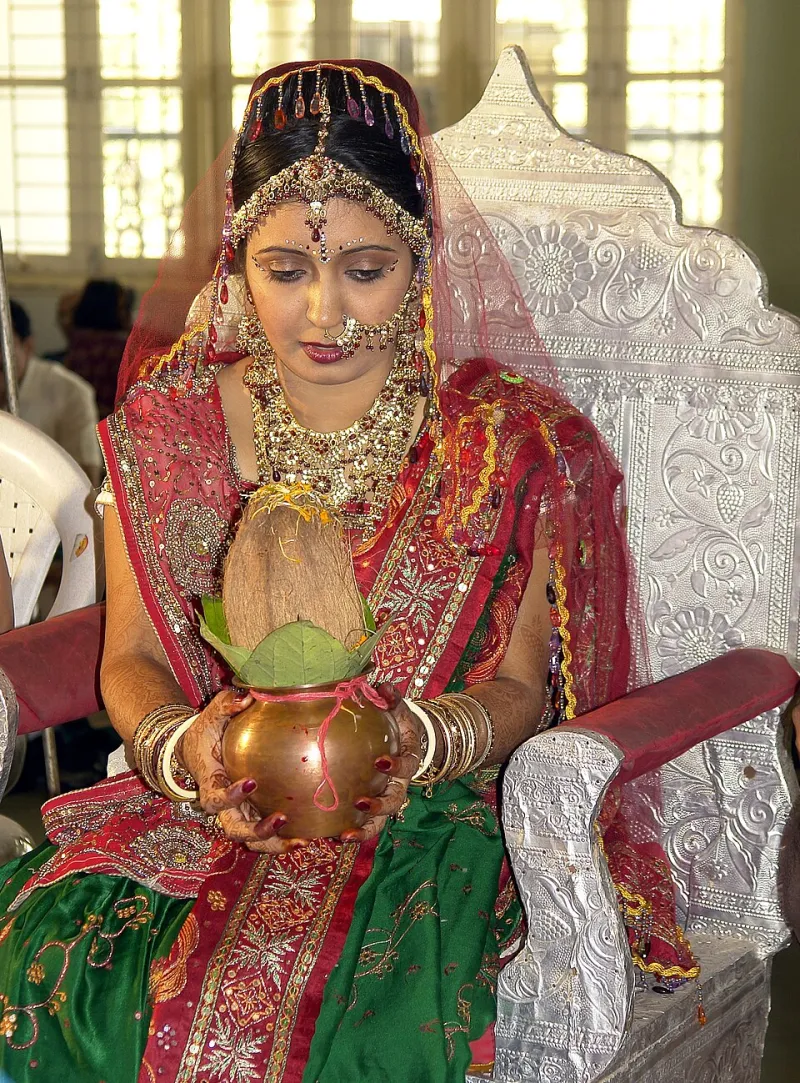
Photo: Yann (talk), CC BY-SA 4.0, via Wikimedia Commons
For generations, the wedding gown was singular — one dress, one day, one unforgettable silhouette. Today, however, a growing number of American brides are rewriting that convention entirely. The mid-reception outfit change has evolved from a celebrity-only indulgence into a widely embraced tradition, and for good reason. Whether the motivation is comfort, aesthetics, or simply the desire to make a dramatic entrance twice, the second dress has earned its place in modern bridal culture.
But deciding to wear two looks on your wedding day is only the beginning. The real work lies in choosing wisely — balancing budget, logistics, personal style, and the rhythm of your celebration. Here is what every bride should know before committing to the change.
Why Brides Are Saying Yes to a Second Look
The case for a reception dress is surprisingly practical. Many brides invest in an elaborate, heavily constructed ceremony gown — think cathedral-length trains, structured boning, and layers of tulle — that simply was not designed with a four-hour dance floor in mind. Switching into something shorter, lighter, or more fluid after the ceremony allows brides to be fully present during the reception without managing a gown.
Beyond comfort, there is the matter of personal expression. Some brides find that their ceremony aesthetic, which may lean traditional or formal, does not entirely reflect the version of themselves they want dancing at their own party. A second dress offers an opportunity to introduce a different dimension of your personality — perhaps something more playful, modern, or fashion-forward — without compromising the gravitas of the ceremony look.
Finally, there is the undeniable drama of the reveal. A surprise entrance in a new gown mid-reception creates a genuine moment of celebration and delight for your guests. It signals a shift in the evening's energy, from the solemnity of vows to the joy of the party.
Understanding Your Options Before You Shop
Not every second dress needs to be a full gown purchased from a bridal boutique. Brides today have a range of options spanning multiple price points and levels of commitment.
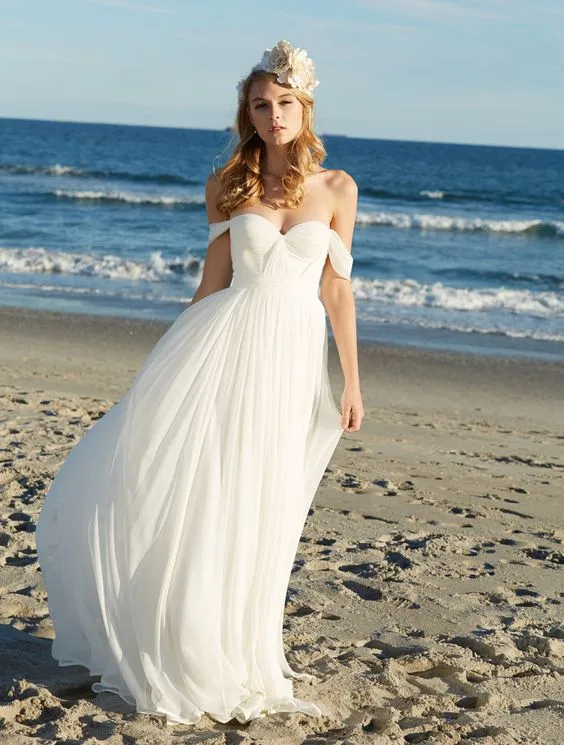
Full Reception Gowns: These are standalone dresses — typically shorter in length, lighter in construction, and designed with movement in mind. Mini dresses, midi silhouettes, and sleek column styles are all popular choices. Many bridal designers now offer coordinating reception dresses within their collections, making it easier to achieve a cohesive aesthetic between looks.
Convertible and Detachable Designs: One of the most budget-conscious approaches involves purchasing a single gown with detachable elements. Removable skirts, detachable trains, and overskirts that unhook or zip away can transform a formal ceremony gown into something altogether more relaxed — without requiring a second fitting process or an additional garment. Several American bridal brands have leaned into this trend, offering convertible silhouettes as a core design feature.
Dress Overlays and Topper Jackets: For brides who love their gown but want a distinct reception aesthetic, overlays and embellished jackets offer a middle path. A beaded topper worn over a sleek slip dress for the ceremony can be removed to reveal the reception look underneath. Conversely, adding a dramatic overskirt or cape to a simpler base dress creates a ceremony moment without the cost of a second gown.
Pre-Loved and Sample Sale Finds: Reception dresses — particularly shorter styles — are among the most accessible items on the bridal resale market. Sites such as StillWhite and Nearly Newlywed carry a wide selection of gently worn reception dresses at a fraction of retail price. Because reception dresses tend to require fewer complex alterations than ceremony gowns, buying pre-loved is a lower-risk proposition.
Budgeting for Two: What to Expect
Adding a second look to your wedding wardrobe requires honest financial planning. The cost of a reception dress varies enormously — from under two hundred dollars for a simple white midi purchased off-the-rack at a retailer like BHLDN or Lulus, to several thousand dollars for a designer piece from a bridal boutique.
The important figure that many brides overlook is the cost of alterations. Even a relatively simple dress may require hemming, taking in the bodice, or adding a bustle. If you are purchasing two gowns from a boutique, ask upfront whether alterations are priced separately for each garment. Budget accordingly, and resist the temptation to treat the reception dress as an afterthought in your overall wedding wardrobe spending.
A general guideline: allocate no more than twenty to thirty percent of your total dress budget to the reception look, preserving the majority of your investment for the ceremony gown that will anchor your wedding photographs.
Coordinating Fittings and Alterations for Two Gowns
The logistics of managing two gowns through the alteration process require careful scheduling. Ideally, both dresses should be sourced and brought in for initial fittings at the same time. This allows your seamstress or bridal alterations specialist to assess the scope of work needed across both garments and plan accordingly.
Most brides complete their final fittings approximately two to four weeks before the wedding. When working with two gowns, build in additional time — particularly if the reception dress requires more significant alterations. Communicate clearly with your alterations professional about your timeline and your plans for the change, as they may have recommendations about the ease of getting in and out of each garment quickly.
If your ceremony gown has a bustle, practice the bustle mechanism with your maid of honor or a trusted attendant well in advance. The same applies to any detachable elements on either dress. A smooth, efficient wardrobe change on the day itself depends entirely on preparation.
Planning the Change on the Day
A reception dress change typically happens after the first course of dinner has been served, or just before the dancing begins — a natural transition point that allows the reveal to feel like an event rather than an interruption. Coordinate with your venue coordinator and photographer in advance so that neither the timeline nor the documentation of the moment is left to chance.
Designate a trusted bridesmaid or family member to assist with the change itself. Store your reception dress in a clean garment bag in a private room at your venue, along with any accessories, shoes, or undergarments specific to that look. Keeping the process organized minimizes stress and ensures the change takes no more than ten to fifteen minutes.
Inform your photographer of the planned moment so they can be positioned to capture your re-entrance. This second reveal is one of the most genuinely joyful moments of any wedding reception, and it deserves to be documented with the same intention as the ceremony.
The Decision That Should Always Come Back to You
Ultimately, the question of whether to plan a reception dress change is a deeply personal one. It is not a trend to follow for its own sake, nor is it a decision to make under pressure from vendors eager to sell an additional gown. The right second look — whether it is a full designer dress, a detachable skirt, or a simple white slip — is the one that makes you feel genuinely free to celebrate the rest of your wedding night.
If the idea of moving through your reception in something lighter, shorter, or simply different brings you joy, that is reason enough to plan for it. Your wedding day is long, and you deserve to feel extraordinary for every hour of it.