Dress Like Yourself: Why the Most Confident Brides Choose Authenticity Over Trends

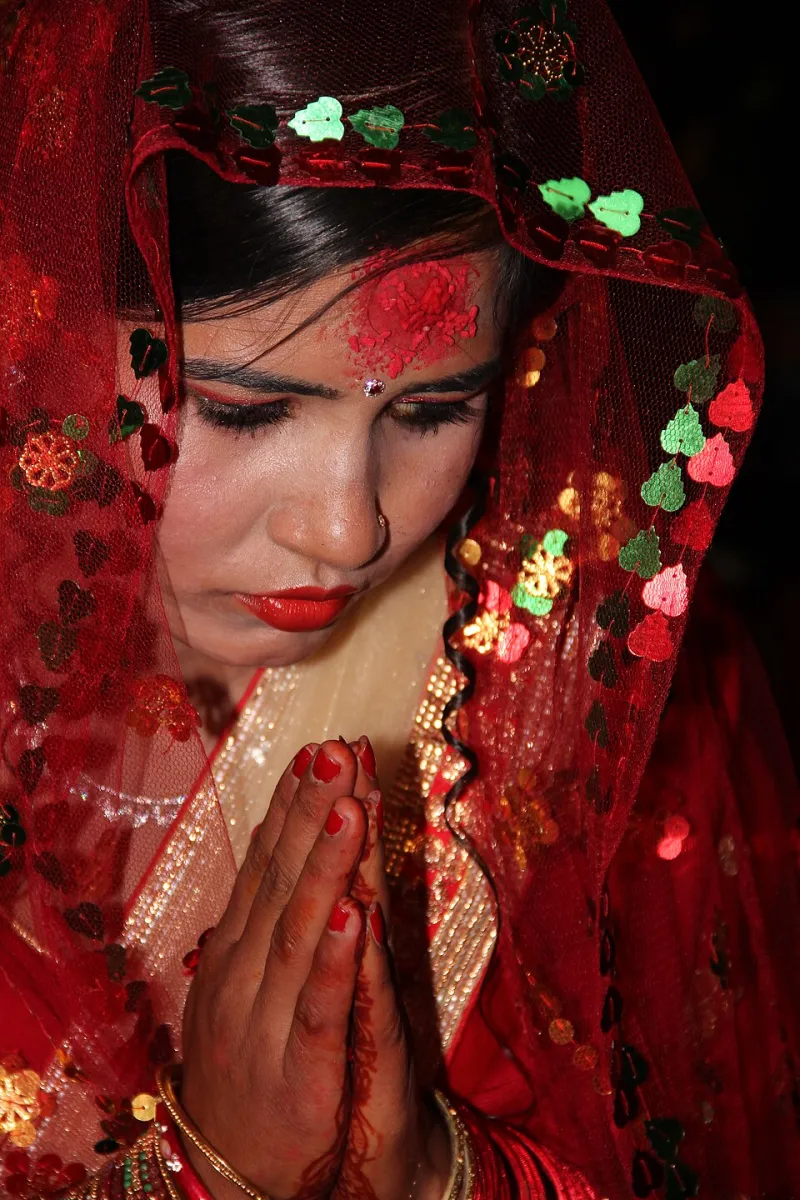
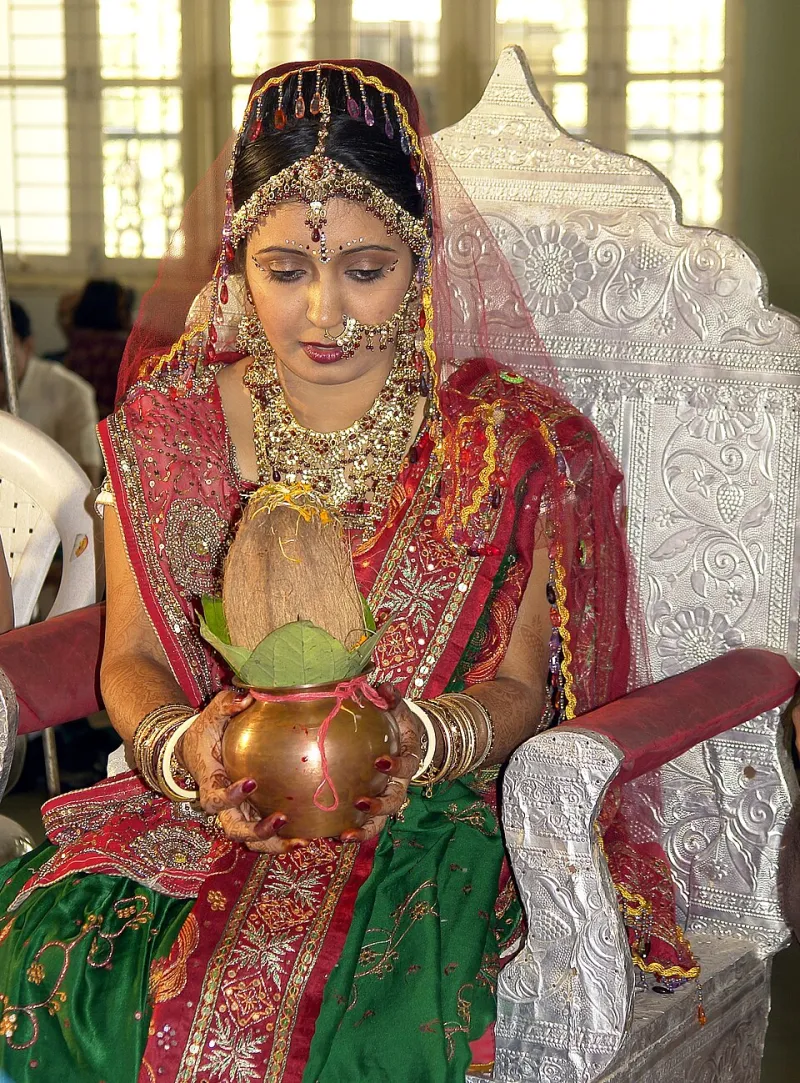
Photo: N Chadwick , CC BY-SA 2.0, via Wikimedia Commons
There is a particular kind of confidence that cannot be manufactured. It does not arrive with a designer label, a trending silhouette, or a gown that earned thousands of saves on Pinterest. It arrives when a bride steps in front of the mirror and recognizes herself — fully, unambiguously, without reservation. That is the authenticity advantage, and it is reshaping the way thoughtful brides across the United States are approaching one of the most significant wardrobe decisions of their lives.
The pressure to look a certain way on a wedding day is real, pervasive, and often invisible until a bride is already deep inside a fitting room, nodding along to suggestions that feel slightly wrong. Bridal fashion, like all fashion, cycles through trends at a relentless pace. One season it is minimalist crepe; the next, it is voluminous tulle and bow embellishments. Social media accelerates those cycles further, flooding feeds with curated imagery that can quietly erode a bride's instincts about what she actually wants to wear.
What gets lost in that noise is something far more valuable than trend relevance: personal resonance.
What the Research Tells Us About Authentic Dress Choices
Psychologists who study the relationship between clothing and self-perception have long documented what is known as "enclothed cognition" — the idea that what we wear influences how we think and feel about ourselves. When clothing aligns with our self-concept, we experience heightened confidence, ease, and presence. When it conflicts with that self-concept, even subtly, the cognitive dissonance creates a low-grade discomfort that is difficult to articulate but impossible to ignore.
For brides, this dynamic is amplified considerably. A wedding day is not a casual Tuesday. It is a day lived under sustained observation, captured in photographs that endure for decades, and remembered with unusual emotional intensity. The psychological stakes of wearing something that feels misaligned are correspondingly higher.
Brides who describe feeling "not quite themselves" in their gowns frequently report a nagging self-consciousness throughout their wedding day — a sense of performing a version of a bride rather than simply being one. Conversely, brides who describe their gown as an expression of their genuine personality consistently report a sense of ease and presence that allowed them to be fully absorbed in the experience.
The Stories Brides Tell
Consider the experience of a bride from Nashville who spent three months visiting boutiques in search of the sweeping, cathedral-length ballgown she believed a wedding required. She tried on dozens. None felt like her. A stylist eventually asked her a single reorienting question: "What do you wear when you feel most like yourself?" Her answer — tailored, architectural pieces with clean lines — led her immediately to a structured crepe column gown that her family initially questioned. On her wedding day, she says, she never once thought about her dress. She was simply present. That, she reflects, was the greatest gift the gown gave her.
Or consider the bride from Portland, Oregon, who arrived at her bridal appointments fully expecting to purchase ivory. She had always worn ivory. It was what brides wore. It was not until a consultant draped her in a warm champagne that she understood, viscerally, the difference between choosing a color because it is expected and choosing one because it is genuinely yours. The distinction felt small in theory. In practice, it changed everything about how she moved through her wedding day.
These are not outlier experiences. They represent a pattern: the brides who resist external pressure long enough to listen to their own instincts are the brides who describe their wedding day with the fewest regrets.
Why Trends Are a Useful Reference — Not a Rulebook
This is not an argument against trend awareness. Knowing what is current in bridal fashion is genuinely useful. Trends surface new silhouettes, fabrics, and construction techniques that a bride might never have encountered otherwise. They expand the vocabulary of possibility.
The problem arises when trend awareness becomes trend obligation — when a bride chooses a gown because it is having a moment rather than because it reflects something true about who she is. A gown that photographs beautifully in the aggregate does not automatically photograph beautifully on you, and more importantly, it does not automatically feel beautiful on you.
The most sophisticated approach to bridal fashion treats trends as a starting point for exploration, not a destination. You may discover that the trending silhouette of the season happens to align perfectly with your aesthetic. You may discover that it does not, and that the gown that feels most like you is quietly, beautifully timeless. Either outcome is valid. The process of discernment is what matters.
A Framework for Identifying Your True Bridal Aesthetic
Uncovering your authentic bridal style requires a deliberate step back from the imagery that has been curated for you and a step toward the imagery you have always chosen for yourself. Here is a practical framework to guide that process.
Audit your existing wardrobe with intention. Before you look at a single bridal gown, spend time with the clothes you already own and love. What silhouettes do you return to consistently? What fabrics feel most natural against your skin? What is the common thread — literal or figurative — running through the pieces that make you feel most like yourself? Your bridal aesthetic rarely begins from scratch. It is usually an extension of something already present.
Distinguish between admiration and aspiration. There is a meaningful difference between a gown you find beautiful and a gown you can imagine wearing. Many brides save images of gowns they genuinely admire on someone else without ever pausing to ask whether that gown would feel authentic on their own body and personality. Practice asking that second question every time you encounter an image that moves you.
Name your discomforts explicitly. If you try on a gown and something feels off, resist the temptation to dismiss the feeling as nerves or adjustment. Instead, try to name the discomfort precisely. Is the silhouette more formal than you are comfortable with? Is the embellishment louder than your usual register? Is the style associated with an image of a bride that does not resemble how you see yourself? Specificity is clarifying.
Invite trusted honesty, not comfortable agreement. Bring one or two people to your appointments whose aesthetic sensibility you respect and who know you well enough to tell you the truth. The purpose of their presence is not to validate every gown you try on but to reflect back whether the gown reflects you. Choose companions who will say, gently, when something is not quite right.
Give yourself permission to be unexpected. Some of the most authentically dressed brides in recent years have chosen gowns that surprised the people around them — and that felt entirely inevitable to the bride herself. The gown that is most you may not be the gown anyone expected. That is not a problem. That is, in fact, the point.
The Long View
Wedding photographs outlast trends by decades. The gown you wear will be visible in those images long after the silhouette that inspired it has cycled in and out of fashion multiple times. The brides who describe looking back at their wedding photos with enduring satisfaction are, almost without exception, the brides who chose gowns that expressed something genuinely personal — something that was true then and remains true now.
Authenticity in bridal fashion is not a style category. It is a practice. It requires patience, self-knowledge, and a willingness to resist the considerable gravitational pull of external expectation. But the brides who do that work consistently describe the same outcome: a wedding day on which they felt, completely and without effort, like themselves.
That is not a small thing. That is, arguably, everything.