After the Last Dance: What to Do With Your Wedding Gown Once the Celebration Ends
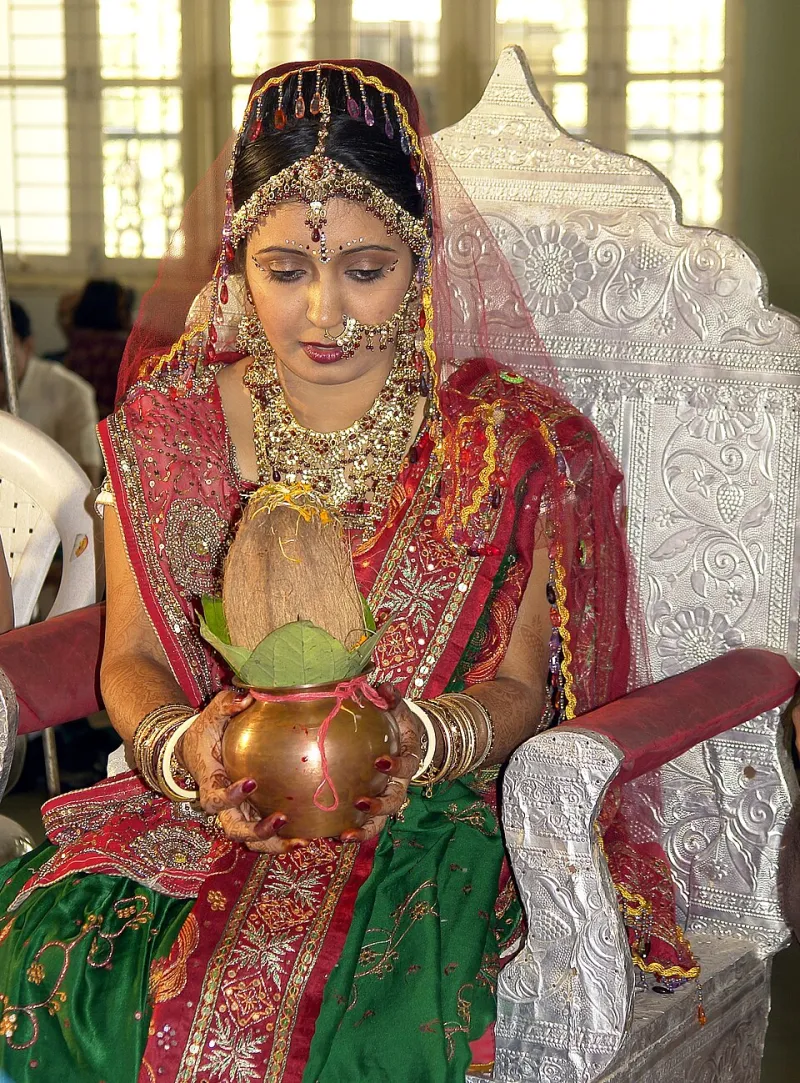
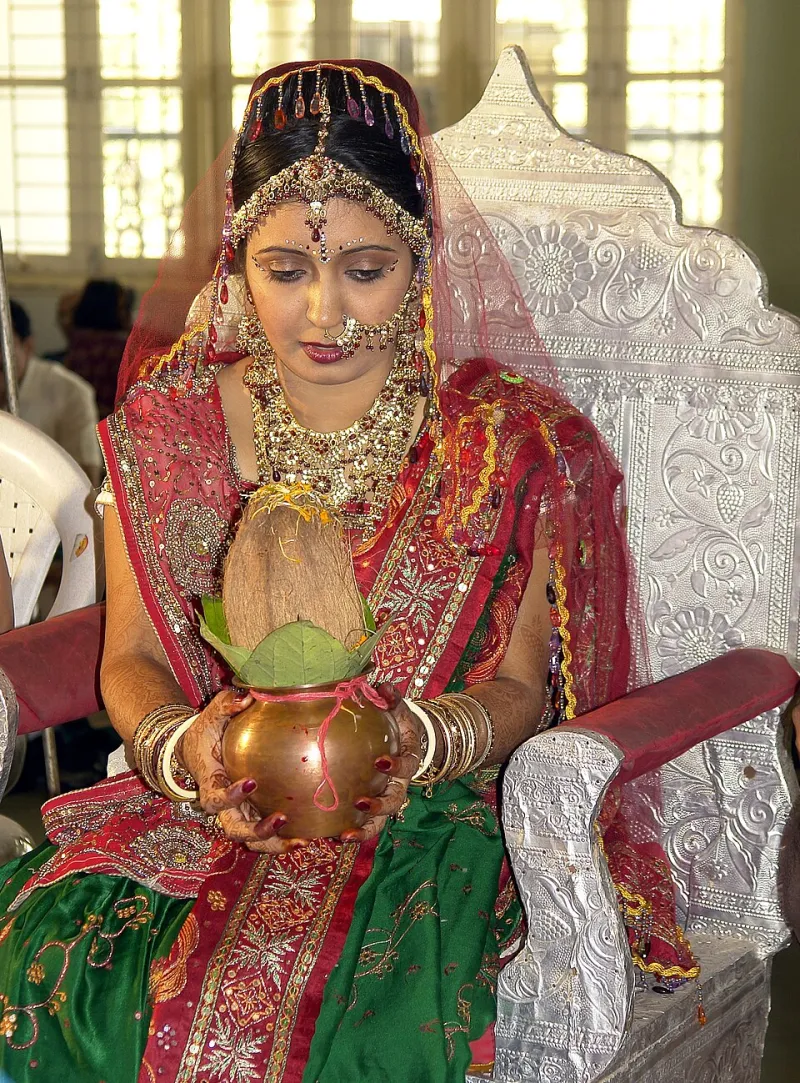
Photo: Yann (talk), CC BY-SA 4.0, via Wikimedia Commons
For most brides, the wedding gown is the single most emotionally charged garment they will ever wear. Months of searching, fittings, and anticipation culminate in one extraordinary day — and then the dress is carefully unzipped, hung on a padded hanger, and left to occupy a corner of the closet while real life resumes. What happens next is a question that more brides are taking seriously, and rightfully so.
Whether your gown was a $500 find from a sample sale or a couture creation that required an installment plan, it deserves more than a slow fade into irrelevance. The good news is that the options available to modern brides have expanded considerably. Preservation, alteration, resale, donation, and artistic reinvention are all on the table — and each path carries its own kind of meaning.
The Case for Professional Preservation
If sentiment is your primary motivation, professional gown preservation remains the most popular choice among American brides. The process typically involves cleaning the dress to remove any staining — champagne, grass, lipstick, and perspiration are common culprits — followed by careful boxing in acid-free materials designed to prevent yellowing over time.
Reputable preservation specialists, many of whom operate nationally and accept gowns by mail, will often provide a sealed box with a viewing window so the gown can be stored without repeated handling. Costs generally range from $200 to $500 depending on the complexity of the gown and the extent of cleaning required.
Preservation makes particular sense for brides who envision passing the dress to a daughter, niece, or another family member one day. It is worth noting, however, that bridal silhouettes change dramatically over decades, and future recipients may ultimately choose not to wear the gown as-is. Preserving the dress still honors its history, even if it never sees another altar.
Shortening and Reshaping for Future Occasions
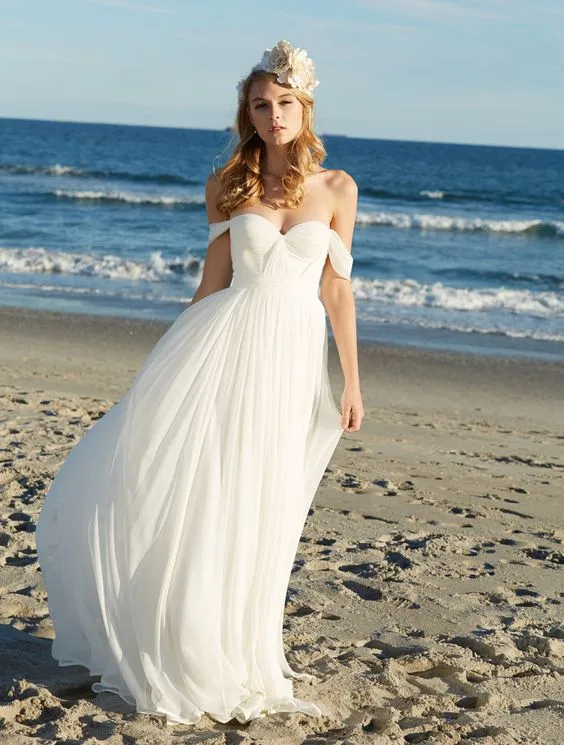
One of the most practical — and increasingly popular — decisions a bride can make is returning to her seamstress with a specific purpose in mind: transformation. A full-length ballgown can be converted into a sophisticated cocktail dress suitable for anniversary dinners, holiday galas, or formal charity events. A sleek column gown might be shortened into a chic midi silhouette that reads as a polished white dress rather than bridal wear.
The emotional hurdle here is real. Many brides feel genuine resistance to cutting into a garment that once felt sacred. It helps to reframe the decision: altering the dress is not diminishing it. It is extending its usefulness and allowing it to remain part of your active life rather than a relic stored in darkness.
For brides who married in a heavily embellished gown, a skilled tailor can often preserve the most intricate beadwork or lace panels as the focal point of the redesigned garment, ensuring that the craftsmanship you fell in love with remains visible.
Converting Your Gown Into Rehearsal Dinner or Engagement Party Attire
Some brides approach this decision proactively, purchasing their gown with dual-purpose wear already in mind. If you are still in the planning stages, it is entirely reasonable to ask your bridal consultant how a particular silhouette might translate after alteration. A simpler A-line gown, for instance, often converts beautifully into a sophisticated rehearsal dinner dress with minimal modification.
For those who have already celebrated their wedding day, retroactive conversion is equally viable. Removing a cathedral train, detaching an overskirt, or simplifying a neckline can yield a garment that feels entirely new while retaining the fabric and craftsmanship of the original. Paired with different accessories and shoes, the resulting dress may not even register as formerly bridal to guests who attend your anniversary celebration or vow renewal.
The Art of Gown Repainting and Dyeing
Perhaps the most visually dramatic option available to brides today is professional gown dyeing or artistic repainting — a niche but growing specialty practiced by skilled textile artists across the country. The process involves applying fabric-safe dyes or hand-painted pigments directly to the gown, transforming a white or ivory garment into something entirely new.
Some brides commission floral motifs, watercolor gradients, or abstract color washes that convert a traditional gown into a wearable art piece. Others opt for a full dye in a single rich color — deep navy, blush, or champagne — that allows the dress to function as formal eveningwear.
This option is not without risk. The outcome depends heavily on the fabric composition of the original gown, and not all materials accept dye evenly. Silk charmeuse and chiffon tend to respond beautifully, while heavily structured fabrics or those with synthetic blends may yield unpredictable results. A consultation with a specialist before committing is strongly advised.
Selling or Donating Your Gown
For brides whose attachment to their gown has naturally softened with time, resale and donation represent genuinely generous options. The secondhand bridal market in the United States is robust and active, with platforms such as StillWhite, PreOwnedWeddingDresses.com, and even curated consignment boutiques offering brides a way to recoup a portion of their investment while helping another woman find her dream dress at a more accessible price point.
Donation carries its own rewards. Organizations such as Brides Across America and Adorned in Grace provide gowns to military brides, cancer survivors, and women in financial need. Knowing that your dress will be worn again — and that it will matter to someone who might otherwise go without — is a deeply meaningful way to close this chapter.
Repurposing the Fabric Itself
For brides who are attached to the material but not necessarily the silhouette, fabric repurposing offers a creative middle path. A skilled seamstress can use panels from your gown to create a christening gown for a future child, a ring bearer's pillow, a custom quilt, framed textile art, or even a heirloom handkerchief. These smaller objects preserve the emotional weight of the original garment in a form that is far easier to display, store, and eventually pass down.
This approach works particularly well with lace-trimmed gowns, where the most distinctive and sentimental portions of the fabric can be extracted and repurposed without compromising the integrity of the craftsmanship.
Giving Yourself Permission to Let Go
Underpinning all of these decisions is an emotional reality that deserves acknowledgment: for many brides, parting with — or even altering — their wedding gown feels like releasing a piece of their identity. The dress was the physical embodiment of one of the happiest and most significant days of their lives. That kind of meaning does not simply dissolve.
And yet, it is worth remembering that the memories themselves are not stored in the fabric. They live in photographs, in the people who were present, and in the relationship you built that day and have continued building since. Your gown, whatever form it eventually takes, is a beautiful object — but it is not the marriage itself.
Giving it a second life, in whatever form resonates most deeply with you, is not an act of forgetting. It is an act of carrying something precious forward into the next chapter.