Dressing a Body in Motion: How to Shop for a Wedding Gown When Everything Is Changing
The moment an engagement ring slides onto your finger, an entirely new chapter of life begins. Wedding planning descends in a cascade of appointments, decisions, and emotions—and somewhere in the middle of all of it, your body is quietly responding to every shift. Stress, schedule changes, new fitness routines, altered eating habits, and the simple passage of time all leave their mark. For brides who purchase a gown twelve to eighteen months before the wedding, this reality is not a complication to be feared. It is simply a truth to be planned for.
Shopping for a wedding dress with body change in mind is not about pessimism or self-doubt. It is about approaching one of the most significant purchases of your life with clear eyes and strategic thinking.
Why Brides' Bodies Change During Engagement
The engagement period is rarely the static, serene interlude it appears to be on social media. For most brides, it is one of the most demanding stretches of adult life. Planning a wedding—even with professional help—involves sustained decision fatigue, financial stress, family negotiations, and a constant low hum of logistical pressure. The body registers all of it.
Cortisol, the hormone associated with stress, directly influences weight distribution, water retention, and even posture over time. Some brides lose weight during engagement, particularly in the months immediately following the proposal when excitement runs high and appetite dips. Others gain weight, especially if stress eating, reduced sleep, or a disrupted exercise routine becomes the norm. Still others find that their weight remains roughly stable while their body composition shifts—muscles developed through a new workout regimen, for instance, can change measurements even when the scale doesn't move.
Posture is another factor that deserves more attention than it typically receives. Brides who spend long hours hunched over laptops managing vendor contracts, or who carry tension in their shoulders and neck, may notice that their posture has subtly changed by the time final fittings arrive. This affects how a gown falls, how a neckline sits, and how comfortable a structured bodice feels across the upper back.
Finally, there are the changes specific to life milestones that sometimes coincide with engagement: starting or stopping hormonal birth control, beginning a new medication, navigating a health event, or simply aging through a year or more of natural physical evolution.
What This Means for the Dress-Shopping Experience
Knowing that change is likely—even probable—should reshape how you approach the bridal boutique. Rather than shopping for the body you have on the day of your first appointment, the goal is to shop for a gown that can gracefully accommodate a reasonable range of variation.
This begins with timing. Many bridal fashion experts recommend ordering a gown in a size that corresponds to your largest current measurement rather than your smallest. Wedding gowns are far easier and less expensive to take in than to let out, and most construction allows for meaningful reduction. Ordering too small in anticipation of weight loss is one of the most common—and most stressful—mistakes brides make.
If you are actively working with a trainer or nutritionist and anticipate significant physical changes, discuss this honestly with your bridal consultant. A reputable boutique will help you identify a strategic ordering size and schedule fittings at intervals that capture your body at different points in the process.
Fabrics and Silhouettes That Offer Flexibility
Not all gowns respond equally to the body's changes, and fabric choice plays an enormous role in how forgiving a dress will feel across multiple fittings.
Stretch fabrics and crepe blends move with the body rather than holding it in a fixed shape, making them exceptionally accommodating for brides whose measurements are in flux. They also tend to be more comfortable across a full wedding day, which matters enormously when you are wearing a gown for eight to twelve hours.
Chiffon and soft tulle are among the most forgiving options in the bridal wardrobe. Their layered, flowing nature means that minor fluctuations in the midsection or hips are absorbed by the silhouette rather than emphasized.
Structured fabrics like duchess satin, mikado, and heavily boned lace are breathtaking, but they require a more precise fit. If you fall in love with a structured gown, budget generously for alterations and schedule your fittings conservatively close to the wedding date.
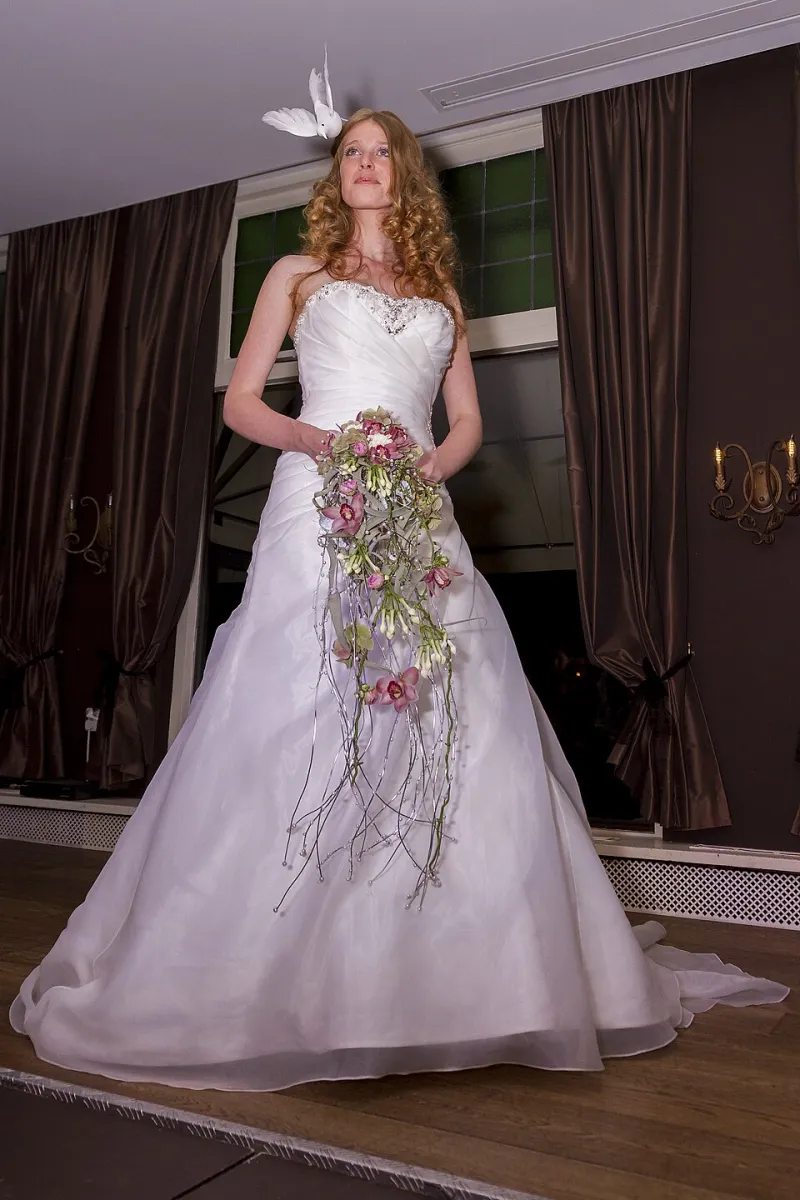
Silhouette matters as well. A-line and fit-and-flare styles are widely considered the most adaptable across body changes, as they are fitted at the natural waist and release into a skirt that does not track closely to the hips and thighs. Sheath and column gowns, while elegant, leave very little room for variation and demand near-perfect fit from the final fitting onward.
Strategic Alteration Planning
Alterations are not a fallback plan—they are a fundamental part of the bridal gown process, and planning for them thoughtfully can remove an enormous amount of anxiety from the final weeks before your wedding.
Schedule your first fitting no earlier than three months before the wedding, and plan for at least two to three sessions. Your final fitting should take place no more than one to two weeks before the ceremony, when your body is most likely to reflect its wedding-day state. Brides who schedule their last fitting too early often find themselves returning for emergency adjustments.
Communicate openly with your seamstress or alterations specialist about the changes you have experienced and any additional changes you anticipate. A skilled professional can build in small amounts of ease—intentional looseness in strategic seams—that provide a buffer without compromising the look of the gown.
For brides who are nursing, postpartum, or managing a health condition that affects weight and fluid retention unpredictably, a corset-back or lace-up closure can be a genuinely practical choice. These closures allow for adjustment of up to a full inch or more on the wedding day itself, offering a safety net that a traditional zipper cannot provide.
Approaching Change With Self-Compassion
Perhaps the most important thing to carry into the dress-shopping process is a willingness to release the idea that your body should remain perfectly fixed between the proposal and the ceremony. Bodies are dynamic. They respond to life. The same body that will walk down the aisle has navigated months of planning, celebration, stress, joy, and growth to arrive at that moment.
A gown chosen with flexibility in mind is not a compromise. It is a reflection of wisdom—an acknowledgment that you are preparing not just for a single day, but for everything that leads up to it. When your dress fits beautifully because it was chosen and altered with your real body in mind, that confidence is visible. It shows in the way you carry yourself, the ease with which you move, and the joy that comes from feeling genuinely comfortable in your own skin.
Your wedding day is not a performance of an idealized version of yourself. It is a celebration of who you actually are—and the right gown honors exactly that.