Vows, Round Two: Why Encore Brides Are Rewriting the Gown Rules on Their Own Terms
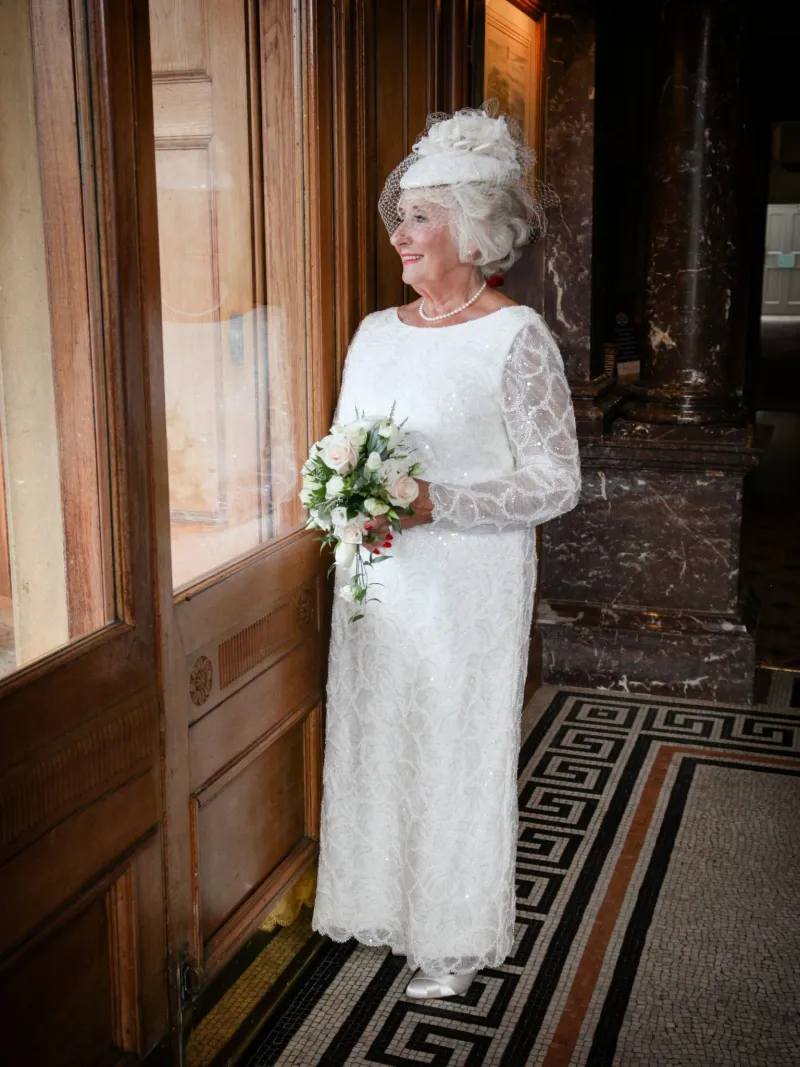
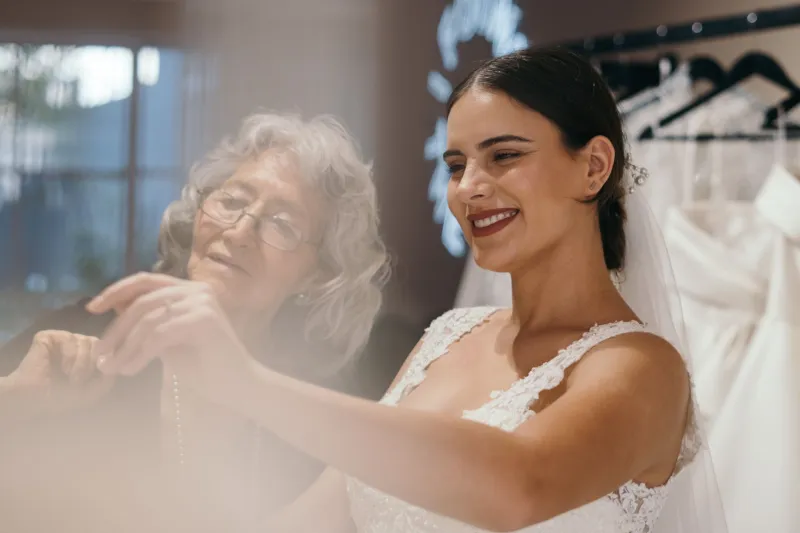
Photo: mature bride elegant wedding dress smiling boutique, via www.freja-fashion.co.uk
Somewhere along the way, a persistent myth took root: that a bride who has married before should somehow shrink her celebration, mute her style, or apologize for wanting a beautiful gown again. Walk into any modern bridal salon, however, and you will find that the script has been thoroughly rewritten. Encore brides are among the most decisive, self-assured shoppers a stylist will ever meet — and for good reason. They know exactly what they want, and, more importantly, they know exactly what they don't.
The Only Rule That Still Applies
Let's begin by clearing the ledger. There is no etiquette authority in the United States — not Emily Post, not anyone — who dictates that a previously married bride must wear ivory knee-length suits, skip the veil, or avoid white. Those conventions faded decades ago. The single guideline worth honoring is the one that governs every wedding: dress appropriately for the setting, the season, and the tone of the day you are actually hosting.
That means the field is wide open. A sweeping ball gown for a vineyard ceremony in Napa? Entirely fitting. A minimalist silk column for a courthouse ceremony followed by a rooftop dinner in Chicago? Understated and chic. A dramatic cape for a second wedding at forty-eight? Why not. The gown should answer to your life, not to a rulebook written for someone else's.
Dressing From Experience, Not Obligation
First-time brides often shop with a mental collage of borrowed images — Pinterest boards, a mother's suggestions, a decade of reality television. Encore brides tend to shop from a different starting place: self-knowledge. You have, presumably, stood in a white dress before. You know which silhouettes make you feel powerful and which make you feel costumed. You know whether you want to echo your first gown or run in the opposite direction.
Many encore brides describe wanting something that feels like an arrival rather than a debut. That distinction is worth naming in the salon. Instead of asking for "something bridal," try describing how you want to feel: unguarded, celebratory, unmistakably yourself. Designers across the market — from accessible labels at BHLDN to atelier-level houses — have expanded their collections precisely because women like you asked for gowns with architectural detail, sophisticated necklines, and fabrics that photograph like they cost a fortune because they did the work.
When Children Are Part of the Picture
For brides blending families, the gown question often extends beyond fabric and fit. Will your children walk with you? Will you incorporate a subtle nod to them — a charm sewn into the lining, a bracelet borrowed from a daughter, a color thread embroidered inside the bodice? These gestures can be as understated or as visible as you wish.
The practical advice is this: involve your children in the way that suits their ages and your relationship, but reserve the gown reveal itself. Let the first time they see you in it be the wedding day. The reaction photographs from that moment are, by every account, worth protecting.
The Courthouse-to-Celebration Equation
A growing number of encore couples legalize the marriage quietly — a weekday appointment at city hall, perhaps in Boston or Santa Fe — then host a full celebration weeks or months later. This format creates a genuine wardrobe question: do you need one gown or two?
Consider the civil ceremony an opportunity for a smaller investment piece: a tailored white suit, a slip dress, a midi with presence. Then let the celebration gown be the event. The two looks do not need to match in formality; they need to match in spirit. Brides who plan both looks early report far less stress than those who treat the second dress as an afterthought squeezed between other planning tasks.
Confidence Is the Real Silhouette
Perhaps the most striking thing about encore brides is how rarely they describe their gowns in terms of trends. They speak instead about recognition — the moment a dress feels like a portrait of who they have become. That is the standard worth shopping toward. You have said "I do" before and learned what lasts. Now you get to dress for the love that taught you the difference.