Something Different: How Today's Brides Are Rewriting the Rules of Bridal Fashion
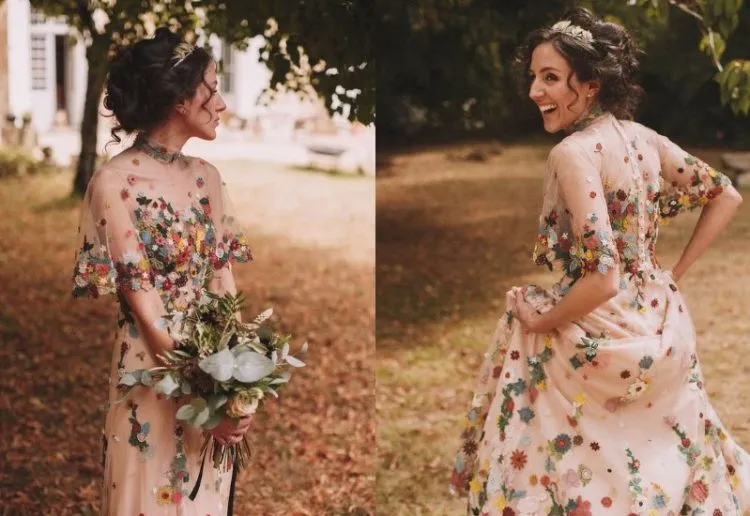
Photo: bride wearing colorful non-traditional wedding dress outdoor ceremony 2024, via lite-story.com
For generations, the image of the American bride was defined by a single, powerful visual: a white gown, a long veil, and a silhouette shaped by decades of tradition. That image remains beautiful. But in 2024, it is no longer the only one.
Across the country — in city lofts and vineyard ceremonies, on beaches and in courthouse gardens — brides are choosing gowns that reflect their personalities, their heritage, and their own definitions of what it means to feel bridal. The result is a wedding fashion landscape more vibrant, more inclusive, and more genuinely exciting than at any previous point in modern history.
This is not a rejection of tradition. It is an expansion of it.
Color as an Act of Self-Expression
The most visible shift in contemporary bridal fashion is the embrace of color — and it is happening at every level of the market, from independent designers to legacy couture houses.
Blush and Champagne remain the most widely accepted departures from pure white, and for good reason: they photograph beautifully, complement a wide range of skin tones, and feel bridal without feeling unconventional. Designers including Vera Wang and Jenny Yoo have long championed these tones, and their popularity shows no sign of fading.
Dusty Blue and Sage have emerged as genuine contenders in the 2024 bridal conversation. These muted, botanical hues appeal to brides planning outdoor ceremonies or bohemian-inspired celebrations, and they pair naturally with wildflower bouquets and earthy venues.
Bold, Saturated Color — red, cobalt, deep plum, even black — represents the furthest departure from convention, and it is increasingly visible on both runways and real wedding days. For brides who feel that white simply does not reflect who they are, a richly colored gown can feel like an act of profound personal authenticity. Monique Lhuillier's red bridal pieces and Carolina Herrera's ivory-and-black designs have helped normalize this conversation at the luxury tier, while more accessible labels are following suit.
The guiding principle, regardless of the shade you choose, is this: color should serve the bride, not the other way around. Select a hue that makes you feel like the most luminous version of yourself — and trust that feeling.
Silhouettes That Defy Convention
Beyond color, the shape of the bridal gown itself is undergoing a meaningful transformation. The traditional ballgown and A-line silhouettes are not disappearing, but they are sharing space with a growing range of alternatives.
Minimalist and Architectural Designs — clean lines, structured bodices, and the absence of embellishment — have become a signature aesthetic for brides who gravitate toward modern elegance. Designers like Danielle Frankel and Galvan London have built significant followings around this aesthetic, offering gowns that feel more like couture fashion than traditional bridal wear.
Two-Piece and Separates offer a particularly versatile option for brides who want flexibility across a ceremony and reception. A structured bridal top paired with a flowing skirt, or a fitted crop silhouette over wide-leg trousers, allows for a look that is simultaneously bridal and entirely personal.
Jumpsuits and Bridal Pantsuits have moved firmly from novelty to legitimate option. For brides who are uncomfortable in skirts or simply prefer a different aesthetic, a tailored ivory jumpsuit or a wide-leg crepe suit can be just as ceremonially significant as any gown — and often more practical for dancing.
Shorter Hemlines — tea-length, midi, and even mini silhouettes — are particularly popular among brides planning intimate ceremonies, city hall weddings, or second celebrations. These styles prioritize ease of movement and a certain joyful informality that resonates with how many modern couples actually feel about their wedding day.
Culturally Inspired Bridal Fashion
One of the most meaningful developments in contemporary American bridal fashion is the growing visibility of culturally rooted designs. As the U.S. bridal market becomes increasingly diverse, designers and brides alike are finding ways to honor heritage through the wedding wardrobe.
South Asian Influence is perhaps the most prominent example. Lehenga-inspired silhouettes, intricate embroidery derived from traditional Indian textile arts, and the use of jewel-toned fabrics have crossed from South Asian bridal tradition into mainstream bridal fashion. Brides of South Asian descent are increasingly choosing to incorporate traditional elements — whether through a full bridal lehenga, a saree for the ceremony, or a Western gown with traditional embroidery — into their wedding day look.
West African and Afro-Caribbean Aesthetics have similarly begun to shape the broader bridal conversation. Ankara-print accents, kente cloth details, and boldly structured headpieces rooted in West African tradition are appearing in styled shoots, editorial spreads, and real weddings across the country. Designers such as Amsale — herself Ethiopian-born — have long brought African design sensibility to mainstream bridal fashion.
East Asian Bridal Traditions, including the Chinese qipao and the Japanese shiromuku, are being reimagined in contemporary ways that honor tradition while speaking to the bride's full, modern identity. Many Chinese-American brides, for example, choose to wear a Western gown for the ceremony and change into a traditional red qipao for the reception — a beautiful synthesis of two cultures.
For brides navigating culturally inspired choices, the most important guidance is to approach these decisions from a place of genuine connection rather than trend-chasing. A gown that honors your heritage is meaningful precisely because of that authenticity.
How to Choose a Non-Traditional Gown and Still Feel Like a Bride
For brides drawn to unconventional options, a few practical considerations can help ensure the final choice feels right — not just visually, but emotionally.
- Try on a traditional gown first. Even if you are certain you want something different, trying on a classic silhouette gives you a clear point of reference. You may discover unexpected appreciation for tradition, or you may confirm that your instinct toward something different is exactly right.
- Consider your venue and ceremony tone. A sleek, minimalist suit reads beautifully at a modern art museum wedding but may feel visually disconnected from a traditional church setting. Your gown should feel like it belongs to the same story as your venue.
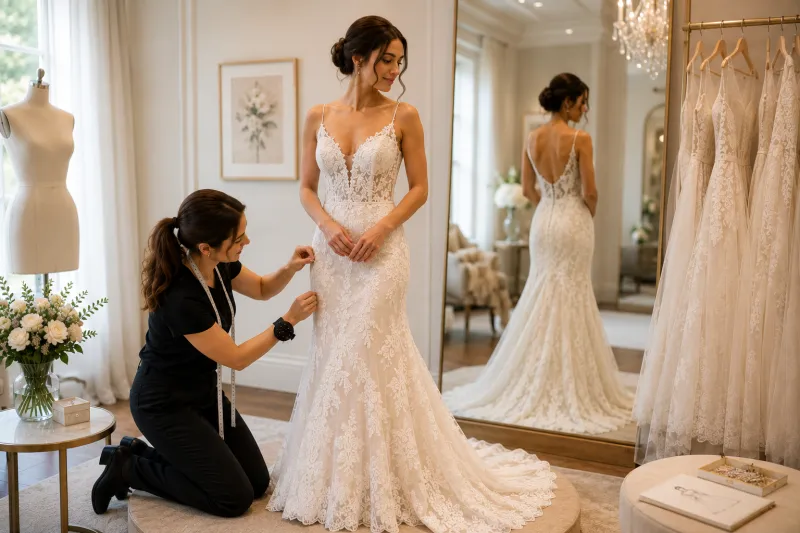
- Photograph a range of options. Ask your bridal consultant to take photos of you in several silhouettes. What looks surprising in the mirror often photographs beautifully — and vice versa.
- Trust your emotional response. The moment a gown makes you feel completely, undeniably yourself — that is the one.
The New Definition of Bridal
At its heart, the movement toward non-traditional bridal fashion is not about rejecting the past. It is about expanding the definition of what a bride looks like — and affirming that every bride, regardless of her background, her aesthetic, or her vision for her wedding day, deserves a gown that tells her story.
In 2024, that story has never been told in more beautiful, more varied, or more personal ways.